
Understand how government crypto regulations, tax frameworks like CARF/DAC8, and licensing updates like Europe’s MiCA impact your portfolio, privacy, and trading.
The wild-west era of cryptocurrency is rapidly closing. What was once a decentralized financial frontier operating largely in regulatory gray areas has transformed into a strictly monitored, institutional asset class. Governments, central banks, and tax authorities worldwide have moved past exploratory guidelines, implementing comprehensive, legally binding enforcement frameworks.
Whether you are an active day trader, a long-term HODLer, a DeFi user, or someone holding a small bag of altcoins, understanding global regulatory shifts is no longer optional—it directly impacts your privacy, tax obligations, platform access, and portfolio management.
1. The Core Pillars of Modern Crypto Regulation
Modern regulatory frameworks focus on four primary vectors designed to protect consumers, integrate digital assets into traditional financial systems, and plug multi-billion-dollar tax gaps.
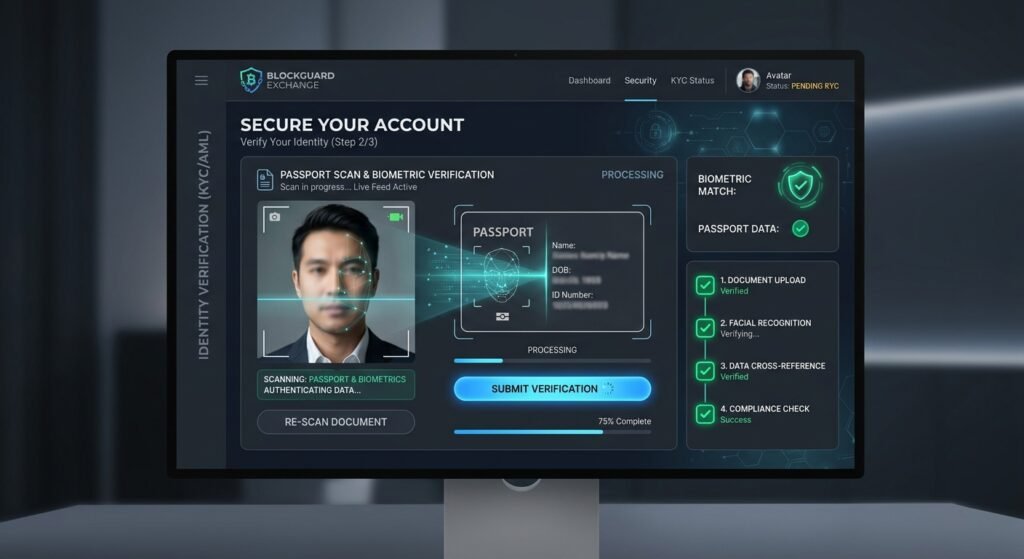
Strict KYC (Know Your Customer) and AML (Anti-Money Laundering)
Anonymity on centralized platforms has effectively vanished. Crypto exchanges, custodial wallet providers, and automated kiosk operators are legally mandated to verify user identities meticulously.
-
The Impact: You can no longer open a trading account on a compliant exchange without government-issued identification, proof of address, and facial biometric verification.
Comprehensive Exchange Licensing Regimes
Governments have established formal licensing mandates for Crypto-Asset Service Providers (CASPs).
-
The Global Shift: In the European Union, the landmark Markets in Crypto-Assets (MiCA) regulation enforces a strict authorization deadline, requiring all crypto service providers operating within member states to secure full licenses or face market exclusion. Similar licensing expectations govern operations across North America, Asia-Pacific, and the Middle East.
Stablecoin Reserve Auditing & Transparency
Following historical stablecoin collapses, regulators treat asset-backed stablecoins similarly to traditional monetary instruments.
-
The Impact: Issuers of stablecoins (such as USDT and USDC equivalents) face rigorous reserve backing mandates, requiring 1:1 liquid fiat or cash-equivalent reserves, third-party audits, and transparent redemption rights.
2. The Death of Financial Privacy: Global Tax Reporting Standards
Perhaps the most direct impact on everyday crypto users is the tightening net of tax compliance. Tax authorities no longer rely on voluntary self-reporting; instead, they have built automated cross-border data-sharing networks.
-
CARF (Crypto-Asset Reporting Framework): Developed by the OECD, CARF obligates crypto exchanges and hosting platforms across dozens of participating countries to automatically share user transaction data and capital gains details with domestic tax agencies.
-
DAC8 (Directive on Administrative Cooperation): Across the EU, DAC8 mandates that all crypto-asset service providers report client transactions directly to tax authorities, eliminating traditional jurisdictional blind spots.

What Triggers a Tax Liability Now?
Tax agencies universally classify cryptocurrency as property rather than traditional currency. This means routine on-chain movements trigger tax events:
-
Crypto-to-Crypto Swaps: Swapping Bitcoin for Ethereum or an altcoin is legally treated as selling one property to buy another, triggering a capital gains calculation.
-
DeFi Yields & Staking: Earning interest via lending pools or receiving staking rewards is categorized as ordinary income at its fair market value the moment it hits your wallet.
-
Using Crypto for Purchases: Buying goods or services with digital assets is treated as a disposal of property, requiring you to account for any capital appreciation since acquisition.
Global Crypto Tax & Regulatory Overview
| Jurisdiction | Regulatory Framework | Primary Tax Approach | Key Compliance Focus |
| United States | IRS Guidelines & SEC Oversight | Property status; short/long-term capital gains (10%–37%+), Form 1099-DA broker reporting | Mandatory broker reporting, strict security classifications |
| European Union | MiCA Regulation & DAC8 | Harmonized framework across member states; automated cross-border tax data sharing | Full CASP licensing for exchanges, strict stablecoin reserves |
| United Kingdom | FCA Oversight & HMRC Guidance | Capital Gains Tax allowances and progressive income brackets on mining/staking | High consumer protection standards, strict advertising rules |
| Australia | AUSTRAC & ATO Frameworks | 50% Capital Gains discount for assets held >12 months (individuals) | Clear distinction between personal investing and commercial day trading |
3. How Government Regulations Directly Affect You
1. Fewer Unregulated Altcoin Choices on Major Exchanges
Because exchanges face heavy legal liabilities for listing unregistered securities or non-compliant tokens, platforms frequently “delist” privacy coins or smaller altcoins. Finding niche tokens requires navigating decentralized exchanges (DEXs) or specialized liquidity pools.
2. Mandatory Use of Crypto Tax Software
Manual spreadsheet tracking is no longer practical. Because every single swap, purchase, and reward collection must be accounted for with its historical cost basis, utilizing automated portfolio trackers (such as Koinly, CoinLedger, or TaxBit) linked via API or CSV is essential to prevent audits or penalties.
3. Deeper Scrutiny of Decentralized Finance (DeFi)
While decentralized protocols were originally thought to exist beyond regulatory reach, authorities are actively scrutinizing front-end web interfaces, centralized bridges, and institutional liquidity gateways. Fully non-custodial smart contracts operating autonomously remain distinct, but interacting with them through regulated fiat on-ramps ties your identity directly to your on-chain footprint.
Best Practices for Navigating the Regulated Crypto Era
-
Maintain Clean Records: Keep detailed transaction histories, wallet addresses, and timestamps for every digital asset movement.
-
Use Regulated On/Off Ramps: Stick to licensed, compliant exchanges for converting fiat to crypto to avoid sudden bank account freezes triggered by anti-fraud algorithms.
-
Understand Your Local Tax Code: Consult a professional tax advisor familiar with digital assets to ensure you take advantage of long-term holding incentives or loss-harvesting rules available in your region.